Bedstraw is a wonder Weed for Wildlife, Farm Animals, and Humans.
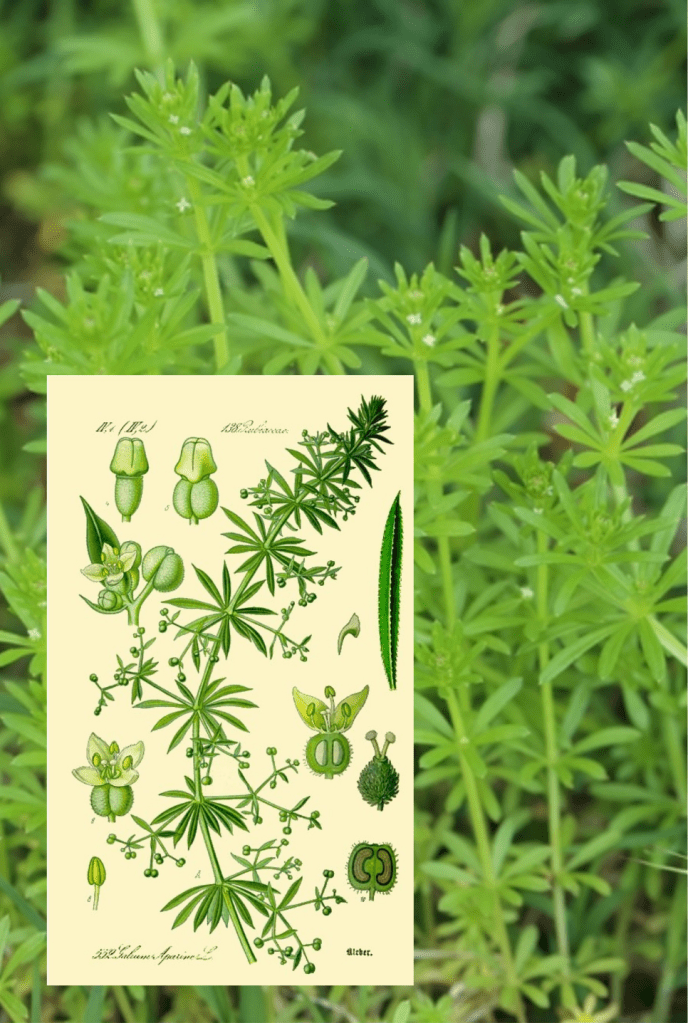
Bedstraw, also known as Catchweed or Galium verum, is a common plant that springs up in late February to early March.
While it’s often dismissed as a weed, bedstraw holds a wealth of health benefits for wildlife, farm animals, and humans just after the bitter cold of winter passes.
For wildlife, bedstraw serves as an early source of nutrition. Because it emerges in late winter, it provides immediate sustenance when other food sources are scarce.
Bedstraw is also beneficial for farm animals. The plant is known to be a valuable fodder crop, and provides essential nutrients in the early spring when other feed might not yet be available.
Its high nutrient content, including calcium, copper, iron, magnesium, manganese, phosphorus, potassium, and more, supports the overall health of livestock after a long winter.
Bedstraw offers a myriad of health benefits for humans also. It’s been used in traditional medicine due to its potent antioxidant properties. Antioxidants help protect our bodies from damage by free radicals, unstable molecules that can cause cell damage.
Research has shown that bedstraw has protective effects against coronary diseases. This aligns with traditional uses of the plant as a diuretic and spasmolytic treatment by certain cultures.
Bedstraw also can boost the immune system. This makes it potentially useful in the treatment of skin conditions and other ailments where a strong immune response is beneficial.
Accordingto NIH, bedstraw is rich in iridoid glycosides, flavonoids, anthraquinones, and small amounts of essential oils and vitamin C, which have been shown to have medicinal benefits against neurodegeneration, inflammation, oxidative stress, and more.
In conclusion, bedstraw is very versatile and offers a myriad of health benefits on the farm or wilderness. Its early emergence in spring serves as a vital food source for wildlife and farm animals, while its potent antioxidant and immunostimulatory properties hold potential for human health.
 Wildly Wicked Blog